
About this course
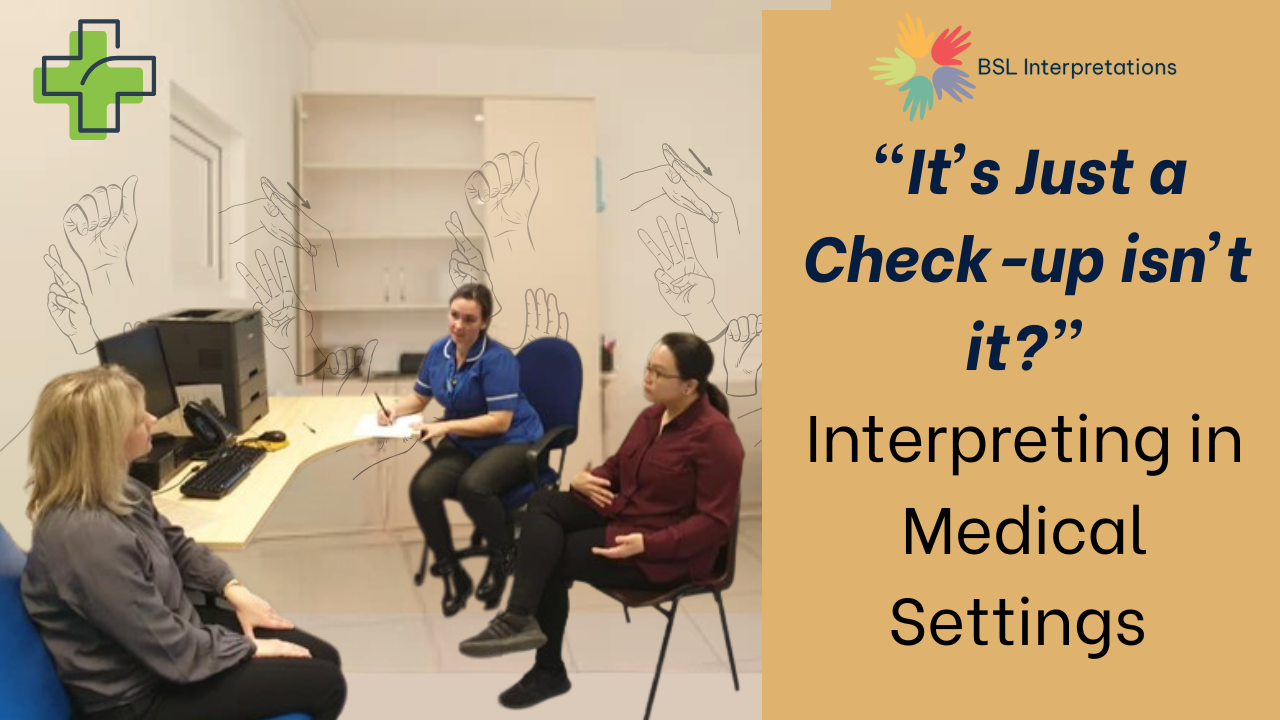
Medical interpreting can be unpredictable. A booking described as a routine appointment may turn out to involve difficult news, safeguarding concerns, mental health, complex treatment decisions, or information the interpreter was not given in advance. The challenge is often not the medical terminology itself, but deciding whether you are appropriately prepared, what information you need, and how to respond when the situation changes. This half-day workshop does not focus on medical vocabulary or anatomy. Instead, it looks at the practical realities of working in healthcare settings and the decisions interpreters may need to make before, during, and after an assignment. We’ll consider what it means to be ready for a medical booking, how to prepare when agencies provide very little information, and what to do when an appointment develops into something you were not expecting. The session will also look at professional boundaries, withdrawing from an assignment when necessary, and the value of debriefing and reflection after difficult or emotionally demanding work.
Through discussion, case studies, and practical activities, participants will explore:
How to assess your own readiness for different types of medical bookings
What information to ask for before accepting an assignment
How to prepare when only limited information is available CPD, observation, shadowing, and other ways of developing experience in healthcare settings
What to consider when a booking changes unexpectedly How situations involving mental health, safeguarding, or other specialist areas may affect your decision to continue
When withdrawing from an assignment may be appropriate and how to approach this professionally Common difficulties that can arise during medical bookings
The role of debriefing, reflection, and support after challenging appointments Practical considerations for working effectively within healthcare environments
Case studies will give attendees opportunities to consider realistic situations, discuss different responses, and reflect on the professional decisions they might make in similar circumstances.
Who is this session for? This course is designed for qualified and trainee BSL/English interpreters who are already working in healthcare settings or preparing to take on medical interpreting work. It may be particularly useful for newly qualified interpreters, those beginning to accept more healthcare assignments, or experienced practitioners who want space to review their own decision-making and preparation.
Learning outcomes
- Develop a clearer understanding of what to consider before accepting a medical booking
- Identify useful questions to ask when information is limited
- Consider practical ways of preparing for different healthcare settings
- Explore how to respond when an appointment changes or becomes more complex than expected
- Reflect on professional boundaries and decisions about whether to continue with an assignment
- Consider the role of debriefing and reflection after difficult or emotionally demanding work
- Leave with practical examples and approaches you can apply to future medical bookings
Live, interactive and supported
This is an active learning session with explanation, structured discussion and practical work. A useful course handbook or supporting materials are provided, together with a CPD certificate for each attendee.
Participation and cameras
Participation is encouraged. Cameras help people connect with those they are learning and working with, while recognising that there may be circumstances where having a camera on is not practical or appropriate.
Not recorded
This course is delivered live and is not recorded. Please book only if you can attend at the advertised time.
About the trainer

Stephen Ellis-Menton
Stephen Ellis-Menton is a registered BSL/English interpreter, trainer, assessor, and mentor with more than 20 years’ experience in the interpreting profession. He is an NRCPD Senior Practitioner and Practice Assessor, as well as a qualified teacher and qualified assessor. For 12 years, Stephen was the lead tutor and assessor on the Diploma in BSL-English Interpreting, supporting trainee interpreters through their professional training and assessment. He has also worked across a wide range of interpreting settings, including community, workplace, healthcare, education, conferences, and VRS/VRI. Through BSL Interpretations, Stephen provides CPD, mentoring, supervision, and professional development for interpreters and translators across the UK. His training is grounded in professional practice and focuses on helping practitioners think carefully about the decisions they make, how theory relates to real interpreting situations, and how reflective practice can support ongoing development. Alongside BSL Interpretations, he is a co-founder and organiser of The Together Conference, an annual professional and academic conference for sign language interpreters and translators.