Coworking for BSL–English Interpreters: Building Effective Teamwork in Remote and Face-to-Face Settings
This session looks at what effective coworking involves for BSL–English interpreters in both remote and face-to-face settings. We’ll link current National Occupational Standards to real practice, explore strategies for preparation, communication and support, and introduce simple reflective tools to help you review your teamwork. The session is suitable for interpreters who feel unsure about co-working, those with limited experience, and those who want a refresher on good practice.
Moving Forward Safely: From Imposter to Confident Professional
Many interpreters and translators experience self-doubt or imposter syndrome at some point in their careers. This interactive workshop with Jill Henshaw explores why these feelings arise and how they influence decision-making and confidence in professional settings.
Together, we’ll look at practical strategies to manage self-doubt, make clearer choices about work, and strengthen professional confidence. You’ll leave with a better understanding of imposter syndrome, tools to support reflective practice, and ideas to help you move forward with greater assurance and balance in your career.
Already completed our Intro to International Sign or have some IS experience? This workshop will help you build confidence and flexibility in real-world settings.
You’ll practise using International Sign in a range of everyday, professional, and specialist contexts—including health, education, and politics—while deepening your understanding of its cultural and linguistic features.
Gain practical tips for clear, natural communication in international environments. The day is interactive, with plenty of chances to ask questions and develop both your production and receptive skills.
Planning and Tracking Your CPD – “It’s all about me”
CPD can sometimes feel like another task to keep on top of, particularly when it comes to collecting points, keeping records, and working out what actually counts. This session looks at how to make that process simpler and more manageable.
Participants will explore current NRCPD and RBSLI requirements, how CPD points can be collected through a range of activities, and how professional development can often be built around things you are already doing in your work and everyday practice. We’ll also look at straightforward ways to plan and record CPD, keep useful evidence, and avoid having to piece everything together at the end of the year.
The session will introduce reflective practice and learning cycles as practical ways of recognising what you have learned, identifying what you want to work on next, and making links between different activities over time.
The aim is to help interpreters and translators find an approach to CPD that works for them, feels realistic alongside a busy workload, and makes the recording side of professional development much less of a chore.
This 4-hour online workshop, led by Deaf translator and trainer Gavin Lilley, looks at how multichannel signs work within BSL and how they can be used in interpreting and translation.
Participants will explore how handshape, movement, facial expression, body movement, and space can work together to convey meaning, with practical examples and activities throughout the session. The workshop will also look at common difficulties when producing multichannel signs and ways to approach them more effectively.
The course is suitable for qualified and trainee BSL/English interpreters and sign language translators who would like more opportunity to understand, analyse, and practise multichannel signs in their own work.
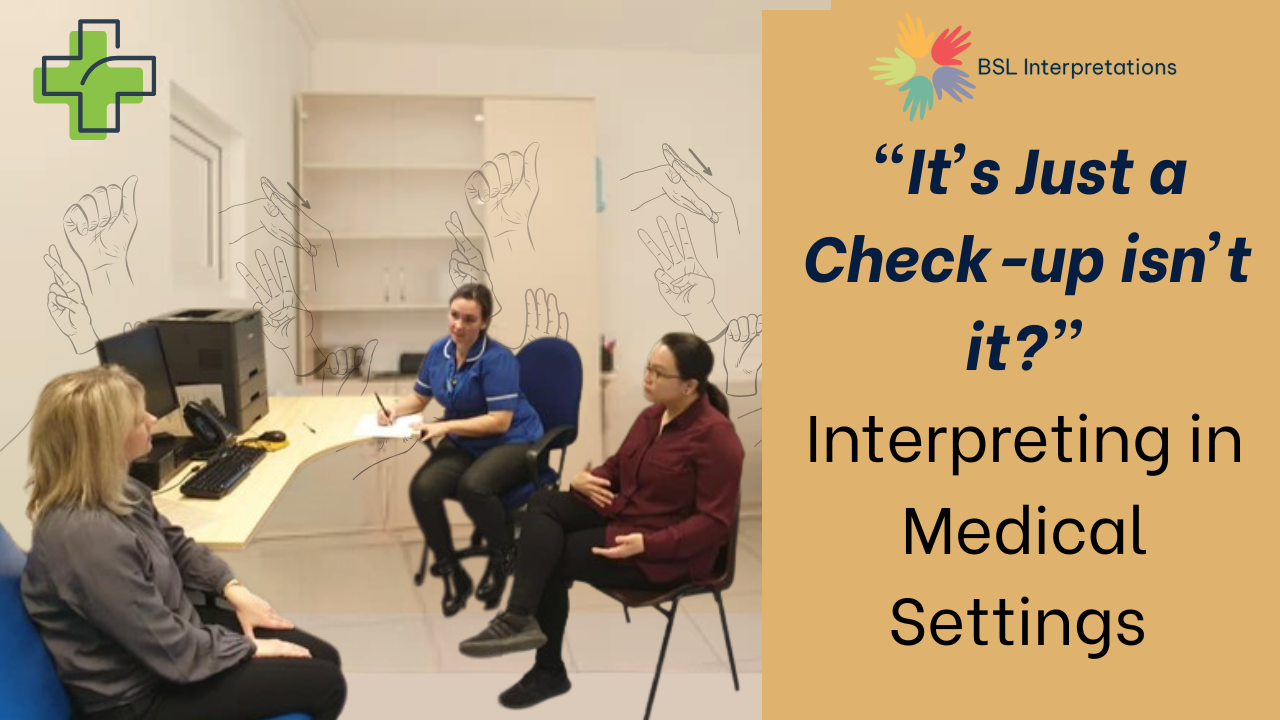
“It’s Just a Check-up isn’t it?” Interpreting in Medical Settings
“It’s Just a Check-up, Isn’t It?” Interpreting in Medical Settings
Medical interpreting is one of the most challenging areas of practice, not because of terminology, but because of the unpredictable nature of appointments, the emotional weight of the content, and the need to make quick, well-informed decisions in real time.
This half-day workshop doesn’t focus on vocabulary or anatomy. Instead, it looks at the practical realities of medical bookings: how to assess your own readiness, prepare when information is limited, and manage situations where things change unexpectedly, such as when a routine appointment turns into a mental health or safeguarding issue.
We’ll also cover the importance of debriefing, reflecting on what went well (or didn’t), and common pitfalls to avoid — all supported with real-world examples and strategies you can apply straight away.
Ideal for qualified and trainee BSL/English interpreters working in or preparing for medical settings, this session is a practical, supportive space to build confidence and sharpen your decision-making.
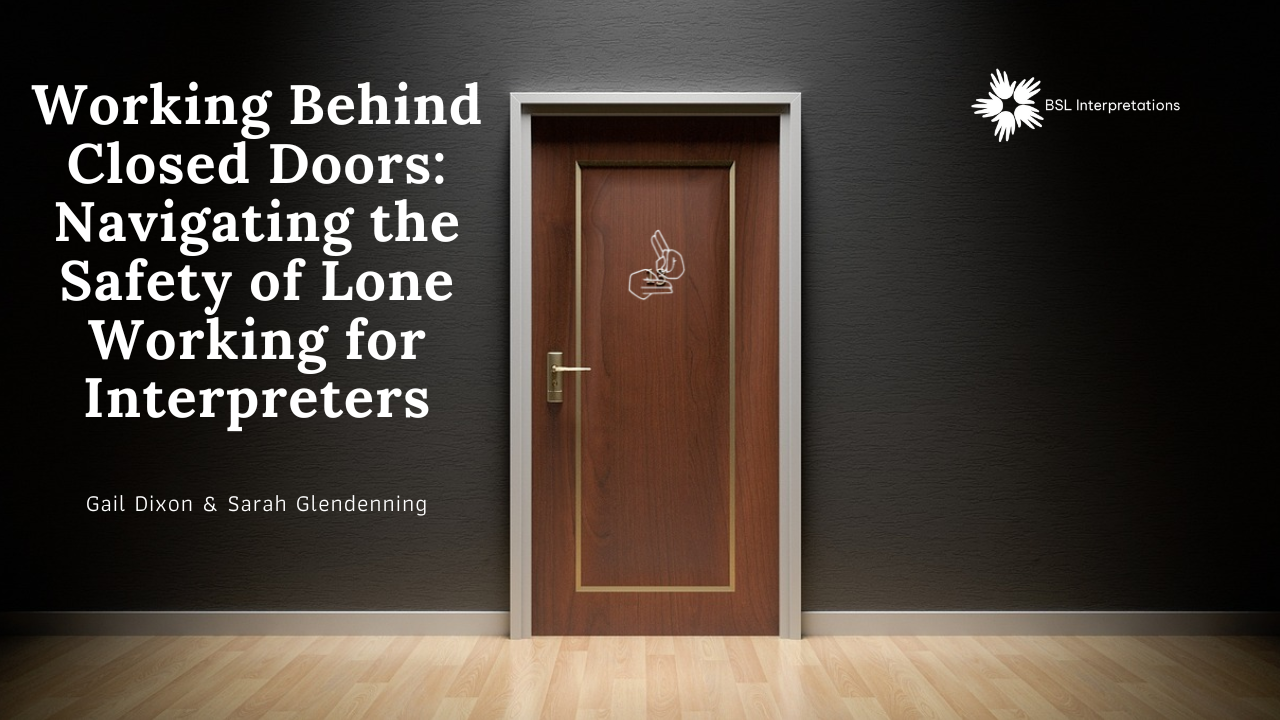
Working Behind Closed Doors: Navigating the Safety of Lone Working
Working as an interpreter often means being on your own—sometimes in unfamiliar places, and with no immediate backup if things don’t go to plan. This can bring unexpected risks, including dealing with aggression or difficult situations.
This full-day workshop, led by experienced trainers Sarah and Gail, focuses on the real-world challenges of lone working. Through case studies and practical discussions, you’ll explore what good practice looks like, how to handle tricky situations, and what steps you can take to feel safer and more confident—both in person and online.
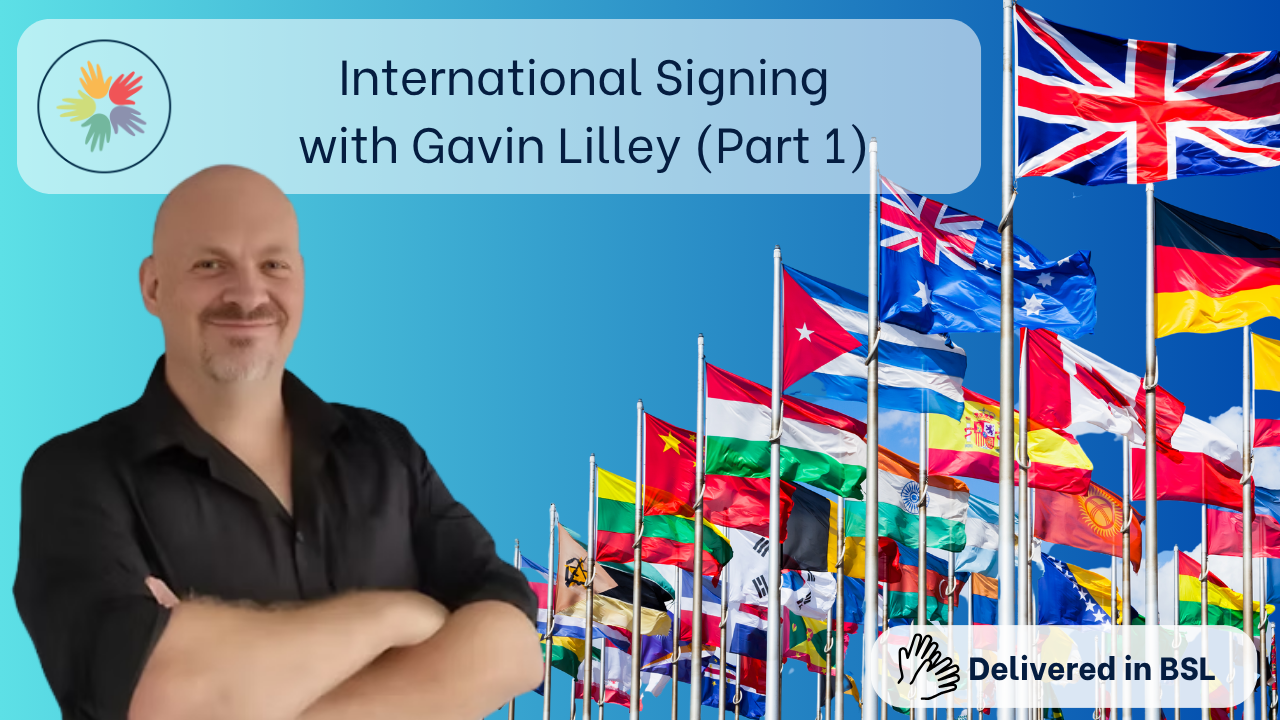
This online workshop is for interpreters, translators, and anyone with advanced skills in a signed language who would like to begin developing their International Sign (IS) skills.
The session introduces some of the key features of International Sign and looks at how visual communication, adaptation, and shared understanding work in practice. Participants will explore how International Sign is used, ways to adapt signing for different audiences, and strategies for developing both production and receptive skills.
This course is a practical introduction for those who are new to International Sign or have only limited experience using it, whether for travel, work, or wider international communication.
Already completed our Intro to International Sign or have some IS experience? This workshop will help you build confidence and flexibility in real-world settings.
You’ll practise using International Sign in a range of everyday, professional, and specialist contexts—including health, education, and politics—while deepening your understanding of its cultural and linguistic features.
Gain practical tips for clear, natural communication in international environments. The day is interactive, with plenty of chances to ask questions and develop both your production and receptive skills.
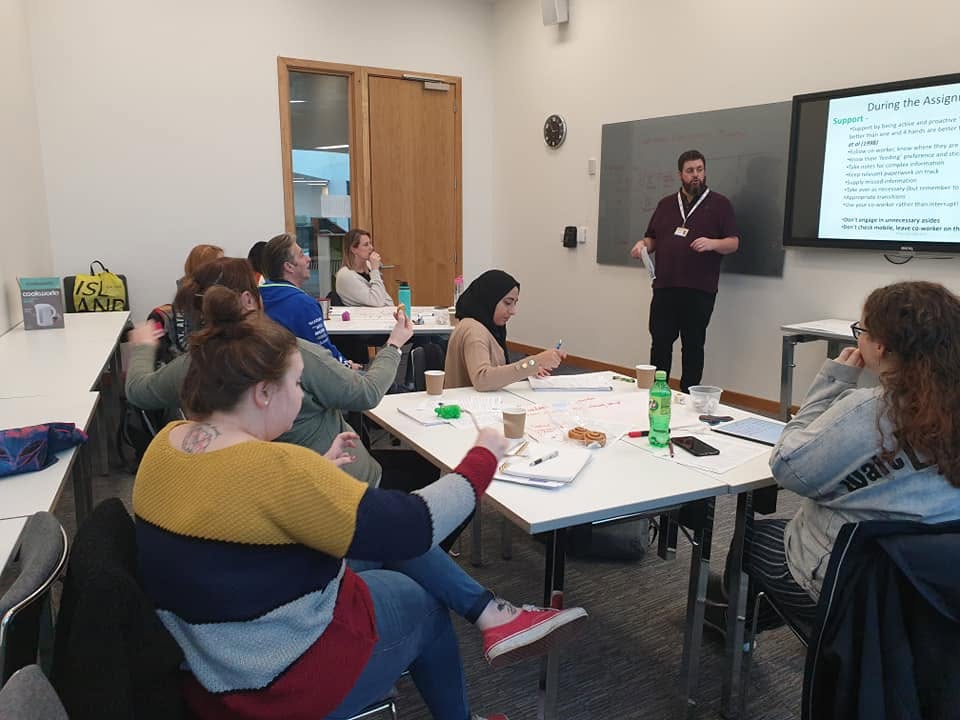
Stephen was an engaging trainer. Theory and practical elements of the training was well balanced. Loved the clips, visual examples and learning more whilst reflecting on my own practice, using simultaneity and dynamic equivalence interpreting. Thank you for all the additional resources and attachments shared to continue my reflection and professional development.
Helen Excell, RSLI
Keep in touch
Useful updates, without the noise
Hear about new CPD dates, professional resources and relevant BSL Interpretations news.